South of Fifth was treated, when its first tower generation was new, as the South Beach annex: the quieter end of the island, valued mostly for being adjacent to the energy rather than part of it. That framing has not been accurate for some time. The neighborhood has completed the slow transition from emerging address to established one, and the resale activity of the past two years confirms what residents already understood. The premium is no longer a bet on the future. It is a price for the present.
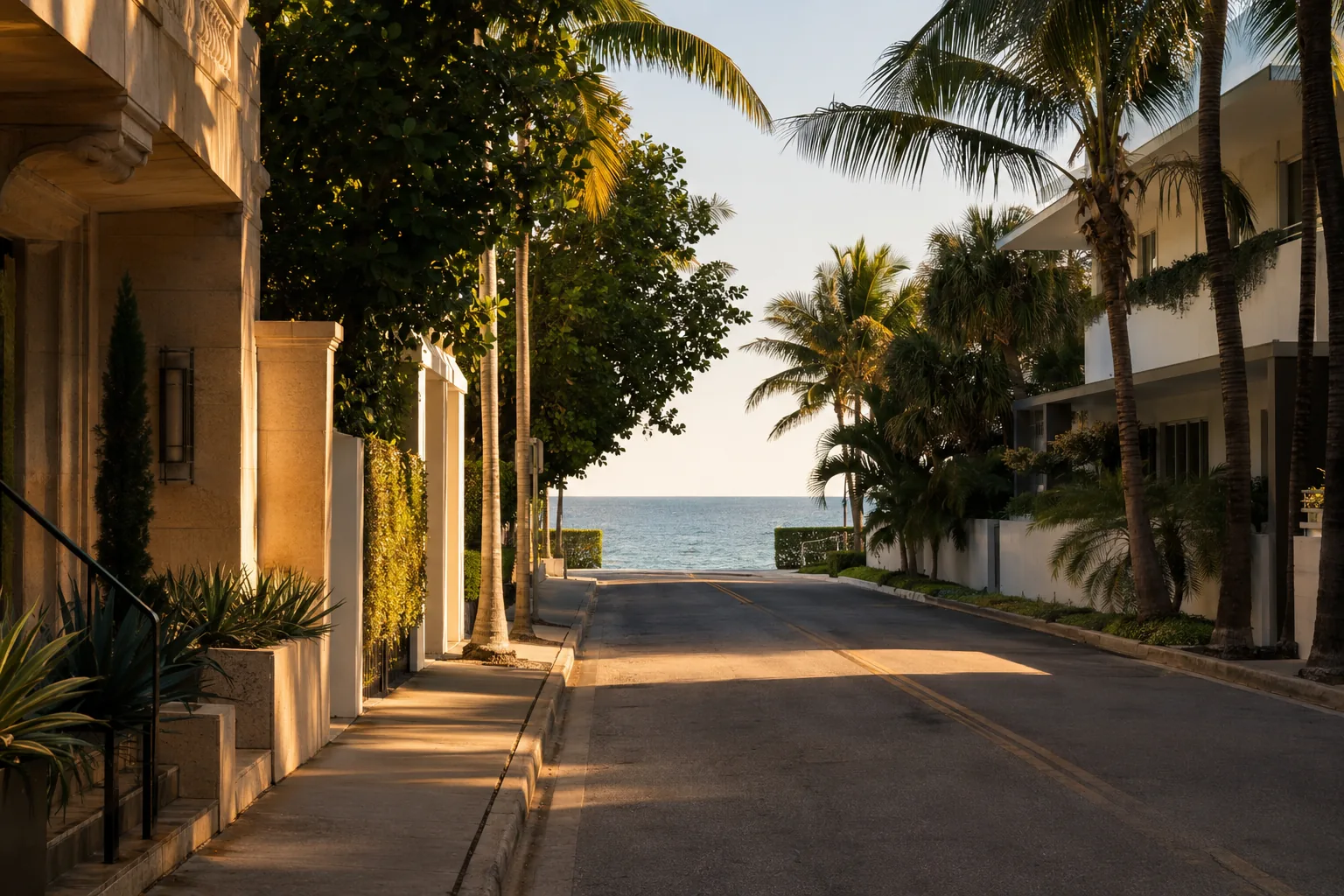
What changed is not the architecture, most of which has been in place for 15 years, but the texture of daily life around it. The restaurant tier matured from scene-driven to genuinely good. The retail thinned of churn and settled into operators who sign long leases. The park at the tip became a destination rather than a buffer. None of this happens by announcement. It accumulates, and one day a neighborhood that was defined by its proximity to something else is simply defined by itself.
The buyer profile shifted accordingly. Early on, South of Fifth attracted the buyer who wanted South Beach with a degree of separation. Today it attracts the buyer who wants the peninsula specifically: low density at the water, a short and walkable footprint, and a degree of privacy that the rest of the island cannot offer. That buyer is often older, often paying in cash, and almost always trading down in square footage while trading up in quality and location.
Pricing has followed conviction rather than hype. The best lines in the best buildings now clear at numbers that would once have seemed reserved for the oceanfront towers further north, and they clear without the marketing theater. Inventory is genuinely scarce, because the people who own here tend to stay, and the ones who sell tend to do so for a defined life reason rather than a market timing call.
For anyone evaluating the peninsula now, the useful mental adjustment is to stop pricing it as a discount to South Beach and start pricing it as its own market with its own scarcity. The neighborhood no longer feels new because it is no longer becoming anything. It already became it.